
Outdoor storage in Flagstaff can have a way of turning “long-term parking” into a character-building experience for our vehicles. Between the high country sun, sudden monsoon storms, and a few curious critters with a knack for nibbling; storing a car, truck, motorhome, or any vehicle or machinery outdoors requires a little strategy. Here’s a friendly, practical guide to keeping your ride happy while it’s relaxing under the deep blue skies and enjoying the mountainous view.
Here’s some helpful tips to help with storing your vehicles with us but if you have any further questions please contact us at 928-814-9828 or send send us a message through our Contact Form.
Start Vehicle Storage by Covering Up
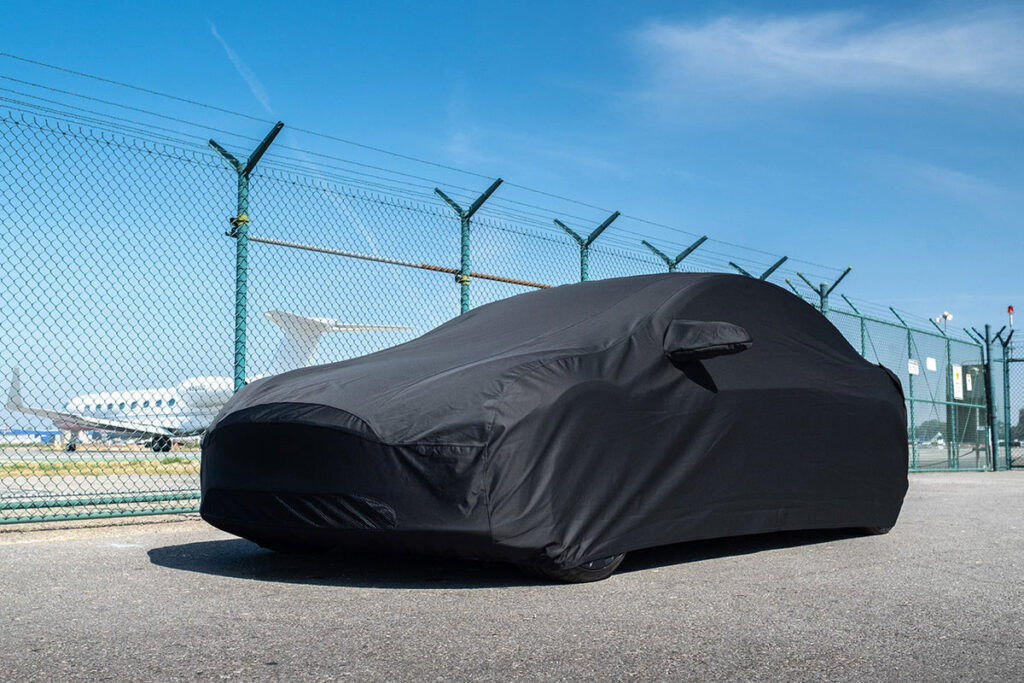
- Car covers: A breathable, UV-resistant cover is the easiest way to protect the finish and interior from sun fading. Breathability is important. You don’t want trapped moisture causing mold or paint problems. Choose a cover rated for UV protection and secure it well so it doesn’t flap and abrade the paint in gusty conditions.
- Window coverings: If you don’t have a full cover or your machine is too big for one, blocking out the windows can go a long way to protecting it. It’s common practice with RV’s and campers to fit reflective bubble wrap to the inside of the windows to keep interior temperatures lower and ensures longevity. This works well with cars and equipment too.
Tires and wheels in the sun: Give them their sunscreen
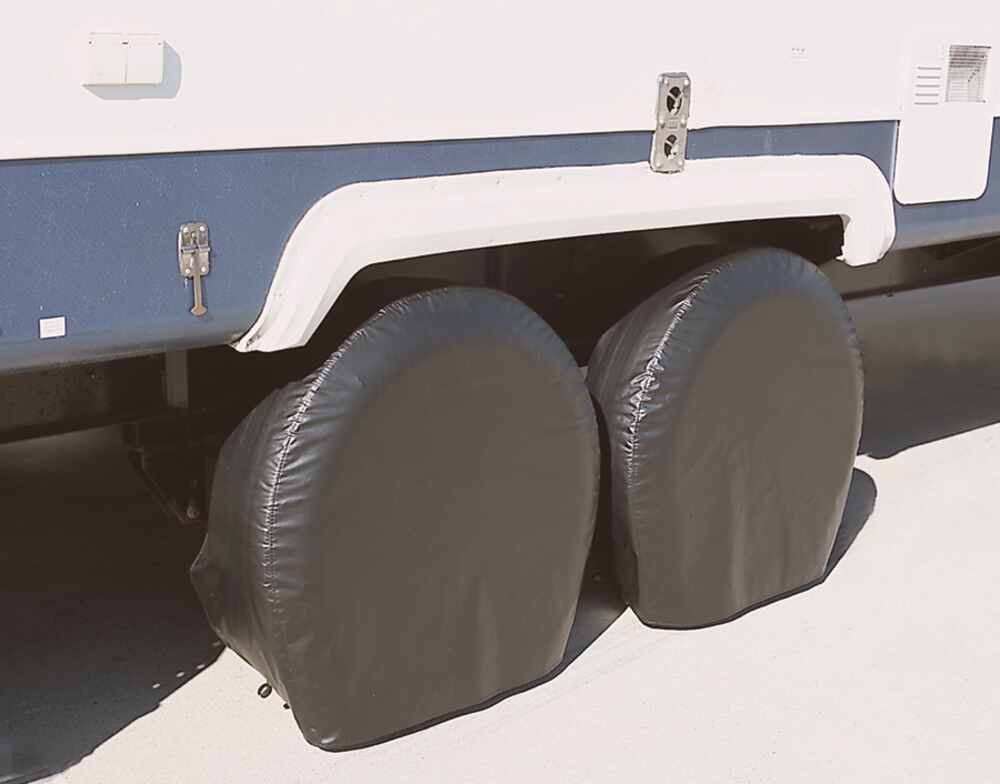
- UV and ozone degradation: Tires and rubber components take a beating from sun and dry air. Tire dressing is cosmetic and offers little long-term protection; instead use tire covers or wheel covers to shield sidewalls from direct sunlight. Covers also help slow cracking and prevent flat-spotting if a vehicle sits in one position for months.
- Inflate to storage pressure: Slightly raising the tire pressure (within manufacturer limits) helps prevent flat spots. If you expect to be away for a very long time, consider placing the vehicle on jack stands to remove load from the tires entirely.
- Rotate or move: If possible, roll the car a few feet every couple of weeks to change contact patches and keep seals seated.
Fuel, fluids, and batteries: Keep them healthy
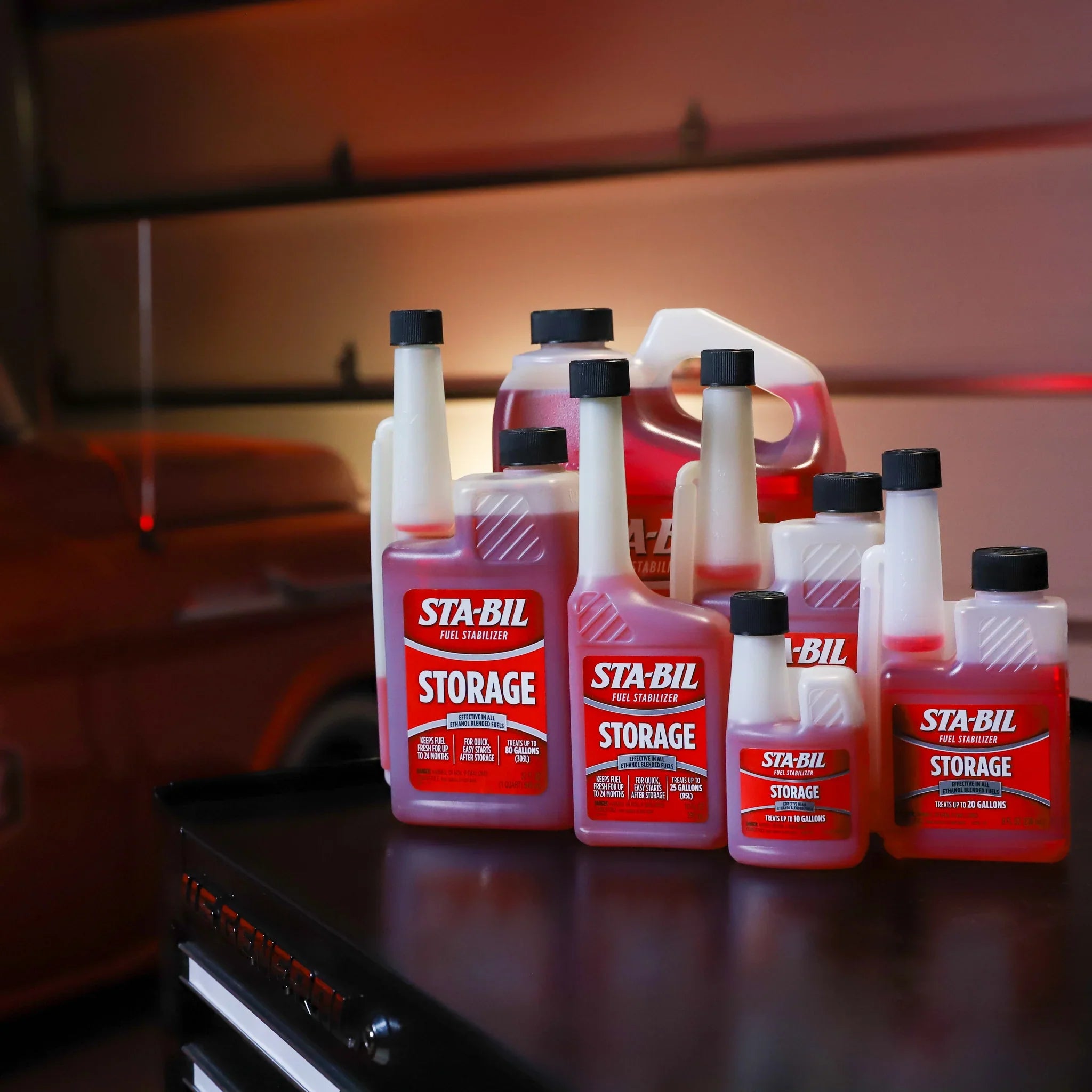
- Fuel stabilizer: Fill the tank and add a fuel stabilizer designed for gasoline or diesel, per the product directions. A full tank reduces condensation inside the tank, and a stabilizer prevents varnish and gum formation that can gum up injectors and carburetors. Filling the tank also leaves less room for expansion and contraction of the tank from heat and cold to pull humidity into the fuel.
- Non-Ethanol fuel: Ethanol additives are the standard now but they are harsh on internal rubber components and can separate and gum up systems more quickly. Its not strictly necessary but filling your tank with non-ethanol fuel (and the correct amount of fuel stabilizer) is good practice when storing a vehicle for longer periods.
- Oil and coolant: Change the oil before extended storage if the vehicle is due; contaminants in used oil can be corrosive over time. Check coolant condition and level. Antifreeze protects against corrosion and the wide temperature swings we get in northern Arizona.
- Brake care: For long-term storage, move the vehicle occasionally to prevent parking brake bind or consider leaving the parking brake off and using wheel chocks instead.
Solar trickle charging: A sunny solution for outdoor storage
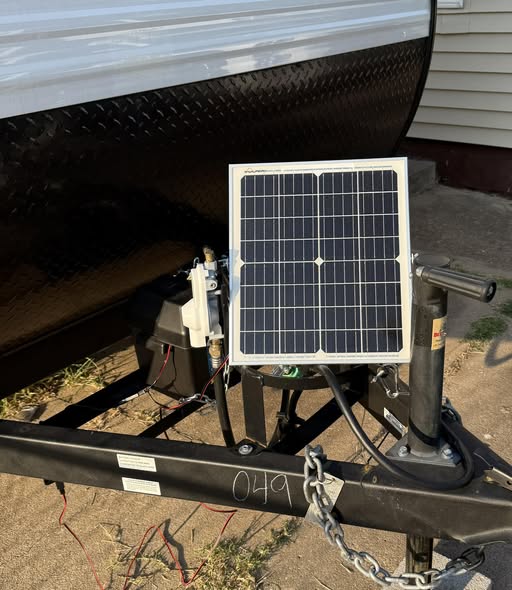
- Why use it: The thin air and high altitude sun in Flagstaff makes solar trickle chargers a low-maintenance, reliable way to keep batteries topped up without the hassle of an AC charger.
- Choose the right setup: Use a solar maintainer or float charger specifically designed for long-term battery care, with proper voltage regulation and an integrated charge controller. Panels with a 12V output and a built-in regulator are your best options.
- Connection tips: Connect using the vehicle’s battery terminals or a dedicated charging port (if installed). For safety, use a system with overcharge protection and disconnect when the battery is warm from charging or after a maintenance start.
- Security and stealth: Mount panels where they’re not easily knocked down by wind or curious creatures. Under a windshield cowl or strapped to a shaded roof rack can work well.
Rodent protection: Keep the chewers at bay
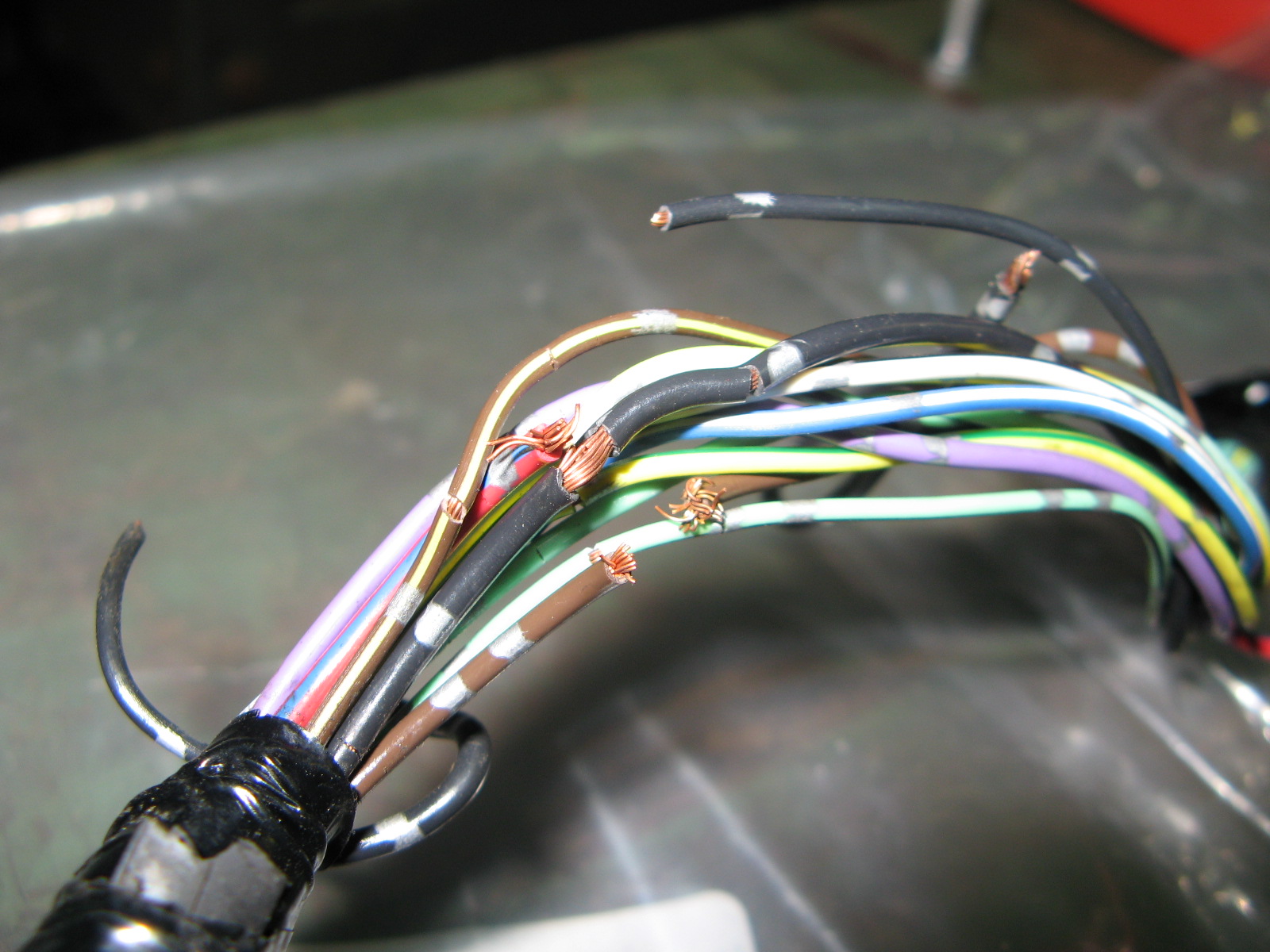
- Why worry: Packrats, mice, and squirrels love the sheltered warmth of an engine bay and the cozy insulation of wiring harnesses.
- Preventive measures: Remove all food sources from your vehicle. Don’t leave bags of chips in your console or cereals in your RV cabinets. No seed bags or pet food or the like. Use traps and bait stations around the parking area. Best not to have them inside the vehicle.
- Physical barriers: Stuffing steel wool, copper mesh, or Rodent-B-Gone tape into openings like air intakes and around the firewall can deter small animals. There are commercial rodent repellents and pouches (mothball alternatives) designed for engine bays.
- Wiring protection: Consider wrapping vulnerable wiring with rodent-resistant loom or using wire coatings that make chewing unpleasant. Inspect wiring regularly.
Other practical, easy storage wins
- Clean it: Give your vehicle a good wash and a coat of wax before storing to protect the paint. Clean the interior to remove food crumbs that attract critters.
- Security: Lock it up and consider a steering wheel lock, alarm, or camera. Parking where neighbors can see it or near motion-activated lights reduces theft and vandalism risk.
- Spare keys: Key safes or hidden key holders attached to the exterior of the vehicle can save you a trip back to wherever your regular set of keys still sitting next to your coffee pot.
- Documentation: Take photos and note odometer, fuel level, and any existing damage. Keep a checklist and schedule for inspections (every 2–6 weeks depending on season and risk).
- Emergency access: Leave contact information and arrangements with a neighbor or garage if you plan extended absence — someone can start it, move it, or respond to problems.
- Weather considerations: In monsoon season, ensure drainage is good; avoid low spots where water collects. During winter nights, be aware of freezing temps and check antifreeze concentration.
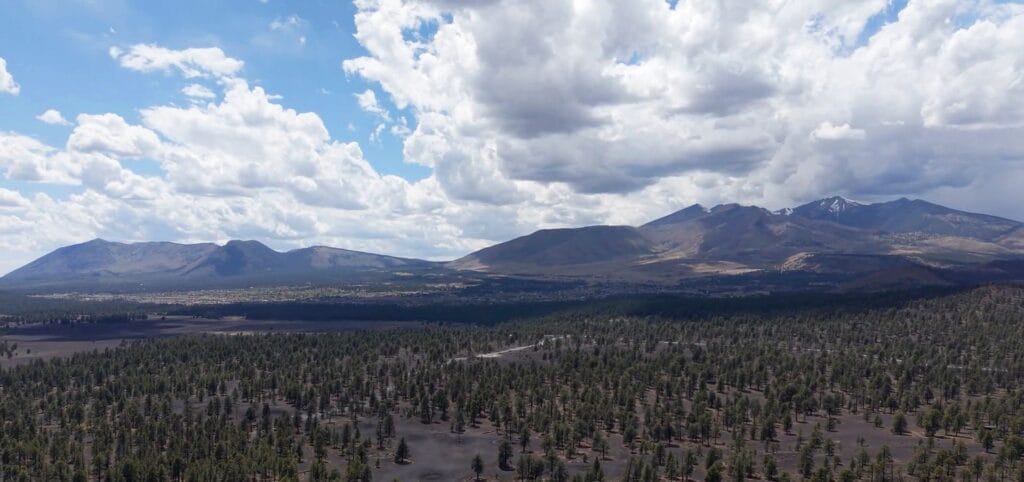
Final thought: Tweak for your situation Northern Arizona offers brilliant sunshine that helps with solar charging but also accelerates UV damage. Tailor these tips to how long you’ll be away, how remote the storage location is, and how much maintenance you can manage. A little prep (tire covers, fuel stabilizer, a small solar maintainer, and some rodent-proofing) goes a long way toward returning to a vehicle that starts, looks good, and doesn’t smell like a critter’s den.